Estimated reading time: 6 minutes
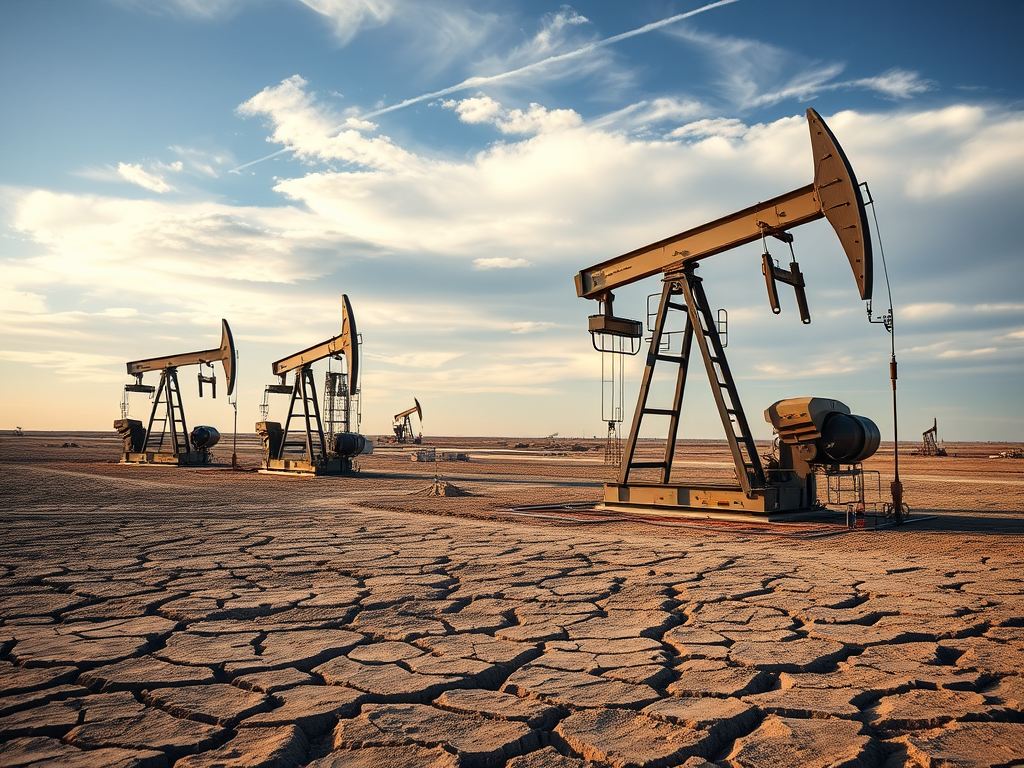
In the vast stretches of West Texas, drill towers stand tall over cracked earth. One after another, these machines tap into rock layers below, shooting liquid deep underground so trapped fuel can flow out. By 2025, a private equity investment group stepped in without much noise, buying up dozens of such sites – drawn by surging liquefied gas sales and hopes of big profits. But what wasn’t said aloud? If crude values drop, output declines rapidly, loan bills accumulate, while cleanup costs and unpaid debts ultimately fall to local towns or public coffers.
The oil and gas world, particularly shale operations and facilities that ship LNG abroad, is seeing more investment from private investors lately. Yet when significant expenses are combined with volatile fuel prices, environmental concerns, or overloaded pipelines, the outcome becomes tricky; exciting returns come hand-in-hand with serious risks.
Why Oil & Gas Producers Appeal to Private Equity
Why do PE firms and their affiliates pour billions into oil & gas? Here are the main attractions:
- High upside & commodity cycles:
If oil or gas costs spike, companies holding cheap shale land might see big profits – take private equity cash flowing into fossil fuels, which rose 131% from last year, hitting $15.3 billion by 2024. - Asset‐rich opportunities:
Oil fields, pipes, plants, export hubs – each offers massive-scale projects you can use or offload. When major companies divest side operations, private equity firms spot opportunities to jump in. - Under-invested vs distressed assets:
Some areas or businesses get ignored – or don’t have much cash – so private equity jumps in, merges them, cuts the fat, then leaves when it’s profitable. - Integrated value-chain potential:
Some private equity–owned companies work in drilling, but also handle pipeline operations or gas processing, and sometimes even ship LNG overseas. Spreading across different stages allows them to manage things better while reducing exposure to problems - Exit potential:
The oil and gas sector may allow private equity firms to shift holdings into listed companies, offload them to major energy names, or withdraw cash to cover payouts or administrative costs when results are solid.
How It Has Reshaped the Sector
When PE gets involved in oil & gas production or infrastructure, some shifts occur:
- Consolidation and mergers:
Private equity firms, along with big players, snap up small firms, merging land holdings with day-to-day operations. That setup cuts down on rivalry while possibly boosting performance – though it also opens doors to bigger trouble. - Capital intensity and debt layering:
Many deals rely heavily on borrowing, which pushes break-even costs up while reducing the room to maneuver if raw material values drop. - Focus on quick returns rather than long-term stewardship:
Private equity firms running oil and gas outfits typically prioritize fast profits over conserving reserves or mitigating ecological risks. - Midstream and LNG expansion:
Oil investors aren’t only into digging holes – they’re also backing pipes, gas cleanup hubs, and terminals that ship fuel overseas. Such projects suck up big cash and take years to profit, yet they secure steady worldwide orders. - Risk shifting:
Environmental risks, such as spills, methane leaks, or cleanup costs, alongside output dips and falling prices, might shift from large public companies to small players or local areas instead.
Measured Consequences
Here are some of the measurable consequences and data points impacting the sector:
- Private equity cash flowing into oil and gas firms jumped to $15.31 billion by 2024, a surge that’s over twice what it was just twelve months before
- Large exit deals: In 2023, private equity–owned businesses got rid of oil and gas drilling companies at multi-billion-dollar price tags.
- Midstream/infrastructure PE involvement is growing: firms such as Pearl Energy, alongside Post Oak Energy Capital, as well as Quantum Energy Partners, have poured billions into shale midstream setups.
- On the risk side: Some experts say that many shale firms are burning through cash, even as output is rising rapidly, making people wonder how long this can last.
Although these come from earlier stages and focus on output, they highlight the broader risks associated with private equity, including swings in market prices, heavy borrowing, and ecological costs.
Case Study: Kimmeridge / SoTex / LNG Project
Here’s a recent example that brings many of the themes together:
A private investment group called Kimmeridge Energy is teaming up with Mubadala from Abu Dhabi. This partnership aims to create a full-scale gas business, combining drilling operations in Texas’s Eagle Ford area with progress on an LNG shipping terminal in Louisiana through ties with Commonwealth LNG.
The project aims to pump out over 1.2 billion cubic feet of gas every day once it starts running in 2029. Instead of relying on others, Kimmeridge handles everything from well to port – drilling, moving fuel through pipes, converting it into a liquid form, and then shipping it off. Still, the cash needed is huge; the schedule stretches far ahead while red tape looms large alongside serious eco concerns. Pipes running through different areas, permits needed for an LNG hub, ties to world gas rates and transport troubles. When market values drop or need shrinks, this linked setup might turn into a drag instead of an advantage.
This example shows that PE isn’t just snapping up drilling sites anymore – it’s taking full control from start to finish, yet the more formidable challenges emerge rapidly when that happens.
Why This Matters
Why should you care about private equity in oil & gas producers and infrastructure? Because the impacts are far-reaching:
- Environmental & community risk: Plenty of shale sites sit close to small towns or poorer areas – once drilling slows down or companies walk away, nearby jobs vanish while land gets damaged.
- Financial exposure: Heavy borrowing, combined with ambitious plans, may lead to company collapses or shaky investments, leaving lenders, ordinary people, or employees to deal with losses.
- Energy transition implications: With global shifts toward cleaner energy, oil investments may lose value rapidly. People funding them or living nearby could get hit hard.
- Global markets and geopolitical exposure: LNG exports tie regional gas extraction to worldwide demand, so nearby areas feel the distant market swings. When prices jump overseas, households here pay more at home.
Accountability and ownership transparency: Private equity’s ownership isn’t always clear – figuring out who holds which assets, who steps up if problems hit, or how debts get sorted can be messy. This confusion hits home for everyday people and those in charge of oversight.
Conclusion
Private equity diving into shale oil, gas drilling, transport networks, plus exporting liquefied natural gas – it’s a daring move full of upside. If things click, profits can explode. Yet if prices shift or something breaks down onsite, trouble follows fast.
Once towns spot their local oil or gas wells drying up, the operator vanishes, and pollution risks linger like smoke. This ain’t merely lost cash. Its proof rules broke down, and no one stepped up.
The next moment you see news on a private equity group buying oil rigs or setting up an LNG plant, pause – think: which side wins when plans work out smoothly? But whose wallet takes the hit if stuff falls apart?







Leave a Reply